When doctors know that they don’t know

By Nicholas Chadi

Boston Globe – February 25, 2017

IMAGINE THAT you are a medical doctor. You need to tell one of your patients that he has advanced-stage pancreatic cancer, an almost incurable condition. You learn that your patient’s only daughter is getting married five months from now. Without treatment, your patient has about a year left to live. Chemotherapy would increase his chances of being alive in five years by about 20 percent but would also double his chances of dying before his daughter’s wedding. Read more


How Canada should care for young caregivers

This country has more young carers per capita than any other in the world — but is it doing enough to support them?

Published on Dec 19, 2016

Q&A Teen obesity and sleep apnea can be connected problems, pediatrician says

Sleep disorders in teens difficult to diagnose and often overlooked, Dr. Nicholas Chadi says.

CBC News – November 16, 2016

In the fight against obesity in teens, we’ve considered a number of different strategies — taxing sugary drinks, rewriting food labels and encouraging young people to cut down on screen time.

But one expert says we also need to look at how much sleep teens are getting.

Dr. Nicholas Chadi is a pediatrician and researcher specializing in adolescent medicine in Toronto, and a fellow in global journalism at the Munk School of Global Affairs.

As he told CBC Radio, he’s looking at why sleep apnea is a major issue for teens, and how it connects to the obesity problem. Read more

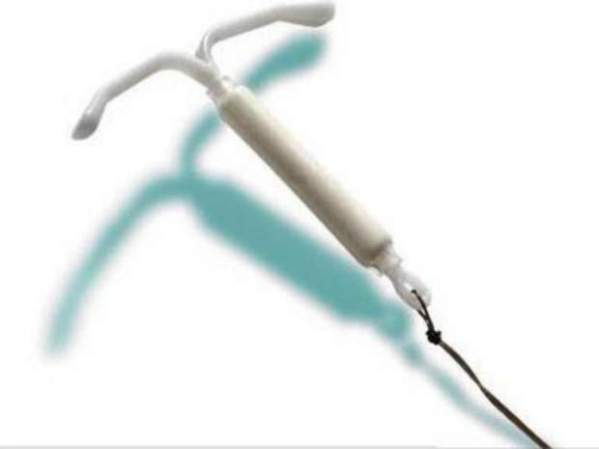
Meet Mirena and its ‘little sister’ Jaydess. They’re tackling teen pregnancy, one IUD at a time

Nicholas Chadi, Special to National Post | September 28, 2016 12:35 PM ET

The 14-year-old twin girls are on their way to the Planned Parenthood sexual health clinic near the University of Toronto downtown campus.

It’s September and they’ve just started Grade 8. They may not be ready for sex yet, but Kaylee and Sara (not their real names) have made up their minds: they want a Mirena.

Mirena and its “little sister,” Jaydess, are small plastic Ts, each about the size of a toothpick. The intra-uterine devices (IUDs) are up to 10 times more reliable than the birth control pill. Read more

Website Powered by WordPress.com.

Up ↑